Start With How Much Live Canopy Is Left
Stand back far enough to see the whole tree and estimate what percentage of the crown still produces leaves. A tree with most of its canopy alive and one dead section usually has a specific problem worth diagnosing, and that problem may be fixable.
A tree with less than half a living crown is running a deficit it rarely climbs out of, because the leaves are how it feeds itself and rebuilds. Scattered dieback all over the crown is a more general decline and a worse sign.
Where the Tree Would Land If It Failed
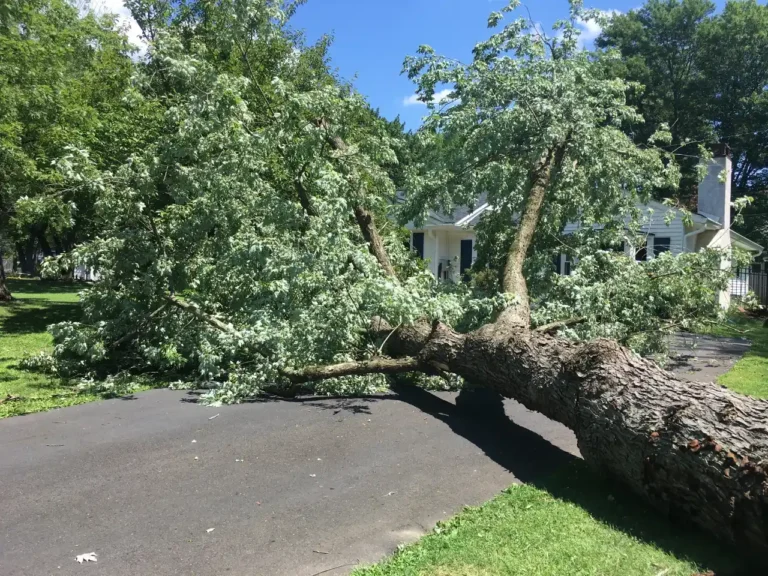
Arborists call this the target, and it changes the math completely. The same declining oak is a different decision depending on whether it stands over a bedroom, a driveway where the car sits every night, or an empty back corner nobody walks through.
A compromised tree at the back of a wooded lot with nothing under it can often be left alone and watched. The identical tree leaning toward a house is not a watching situation.
What It Would Cost to Keep It Alive
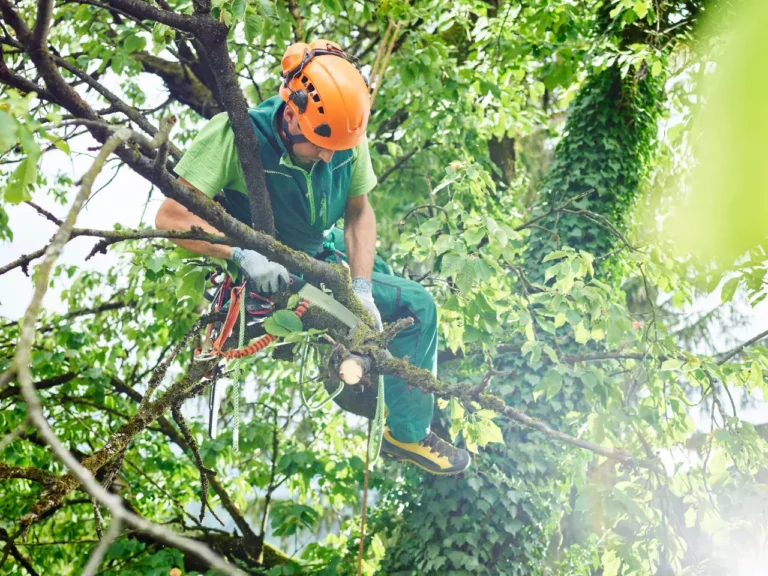
Saving a tree is rarely one visit. Restoration after old topping damage runs over several seasons. Structural correction on a mature tree with a bad fork may need cabling and repeat inspections. Deadwood pruning on a declining tree is not a one time fix.
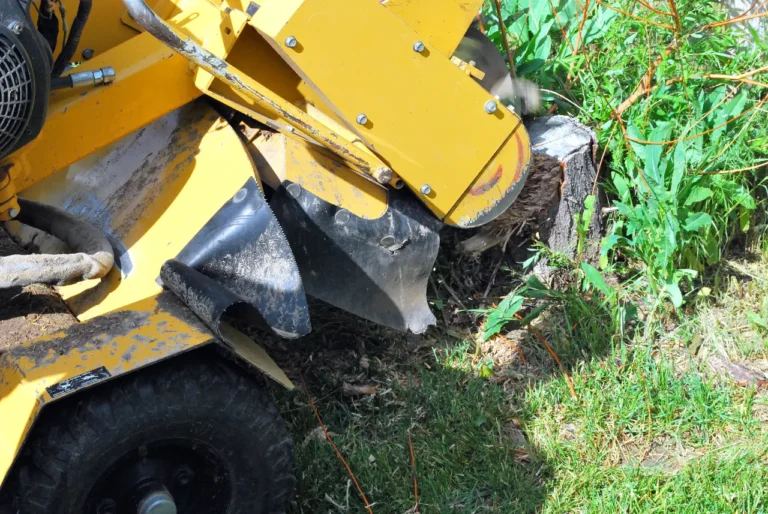
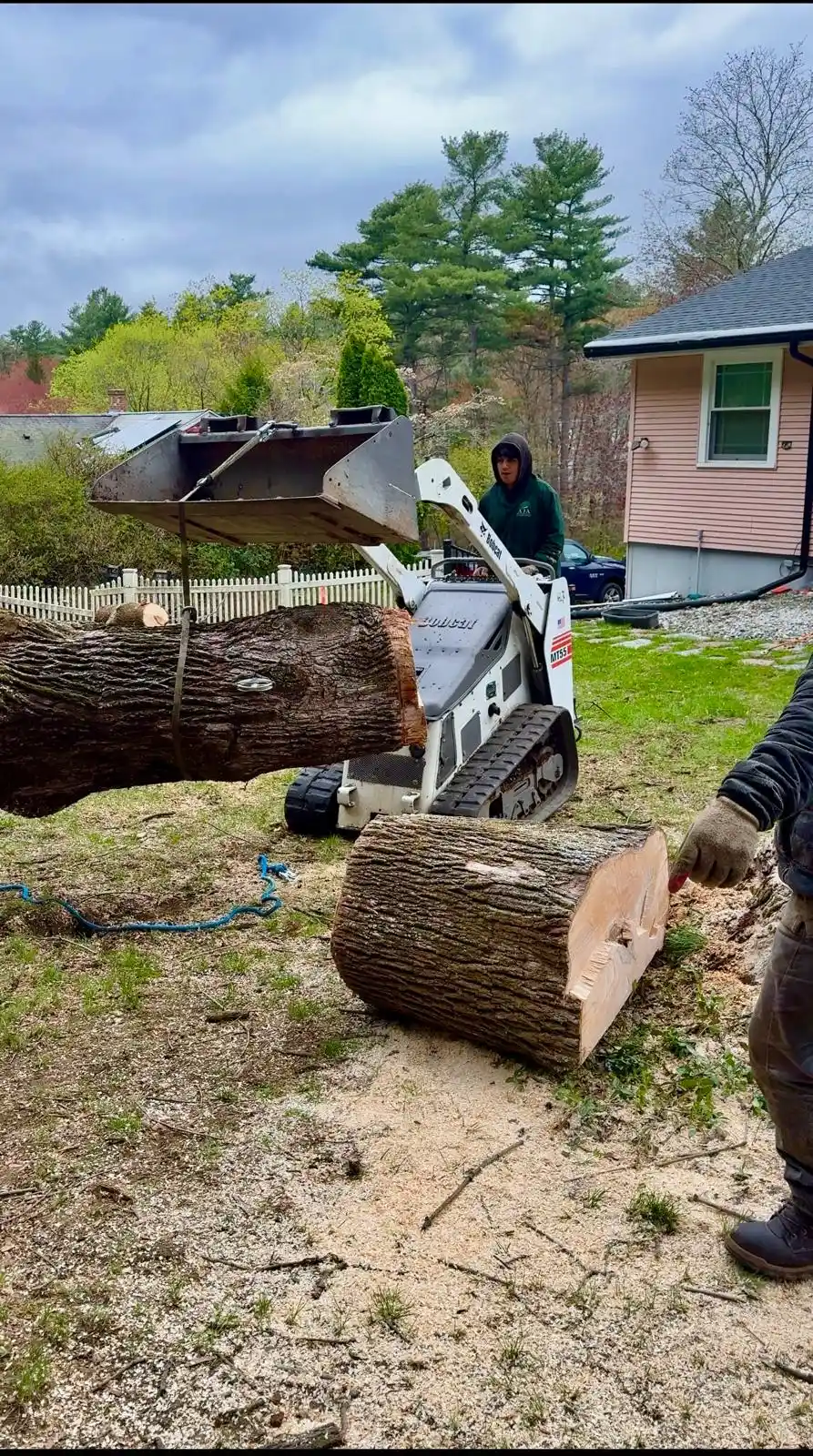
Add those visits up over five years and compare them honestly against one removal plus stump grinding and a replacement tree.
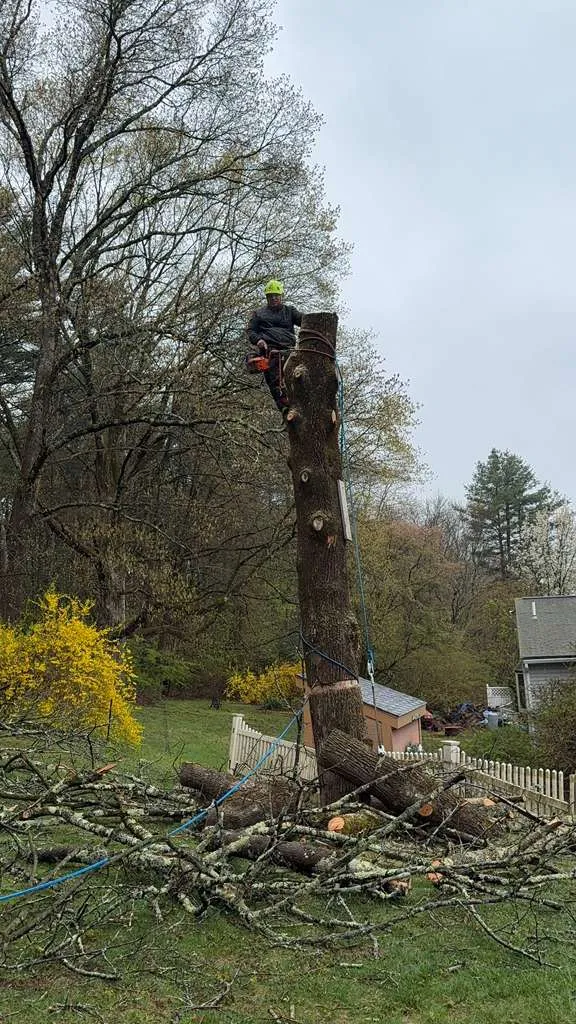
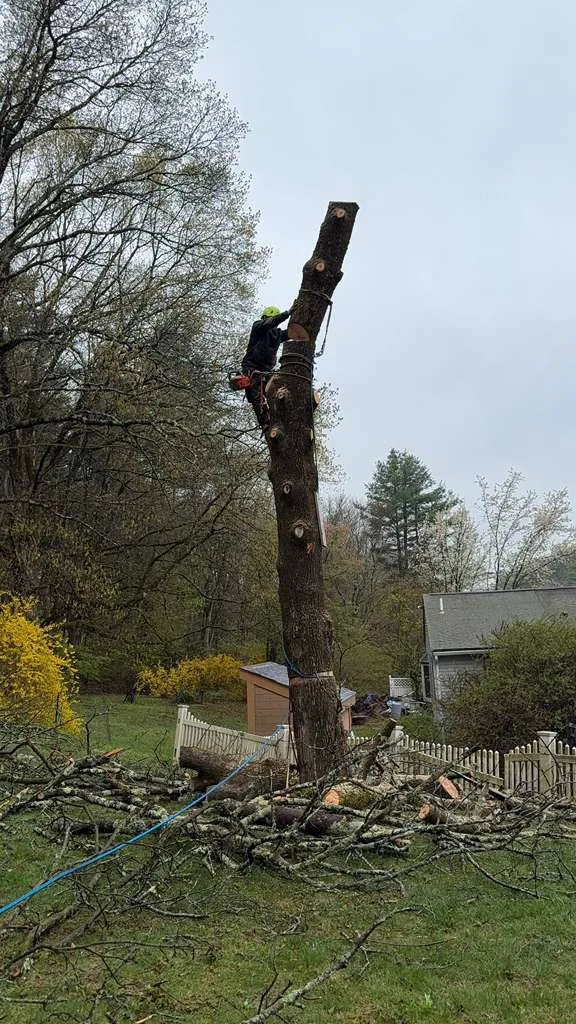
When Removal Is the Cheaper Answer
Rot at the base or a moved root plate, because neither one recovers. A split trunk with included bark on a mature tree, where the correction window closed years ago. A tree already leaning over a structure after a wet season.
In those cases removal is not giving up, it is the least expensive version of an outcome that is already decided. Get a free assessment to find out which category your tree falls in.