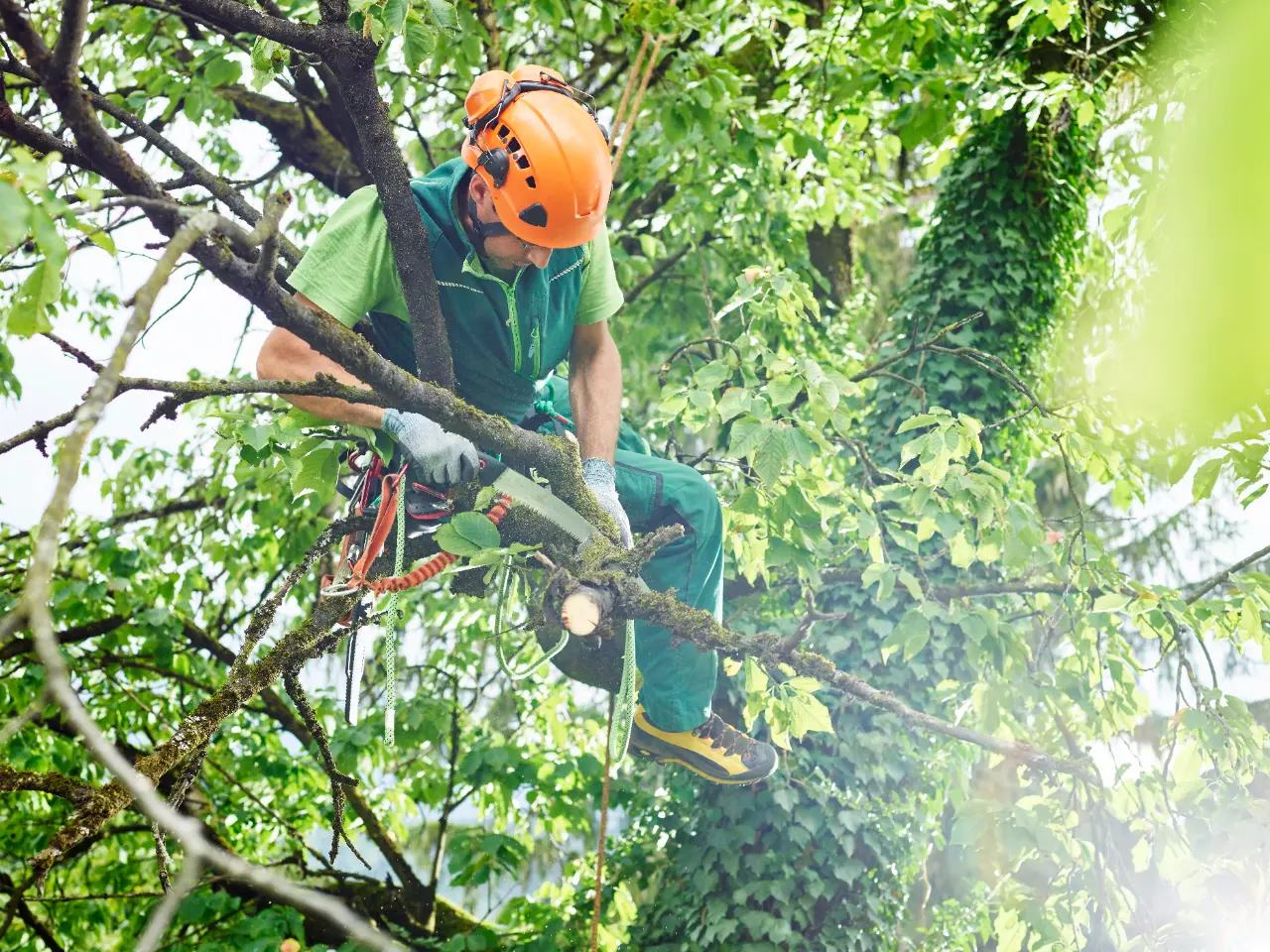
Tree Pruning Services in Massachusetts
AJA Landscaping Services LLC prunes residential trees in Massachusetts with structural, fruit, and ornamental work. Every cut lands at the branch collar, so wounds close instead of rotting. Seven years of field experience behind every visit.
Pruning Cuts That Build Stronger Trees
Pruning is structural work. Which branch stays, which one goes, and where the cut lands decide how the tree grows. Removing the wrong leader creates weak unions that split apart in the first big storm. The reasoning matters far more than the saw ever does.
Crews prune young trees to set one strong leader and even spacing. On mature trees the work shifts to deadwood, crossing limbs, and weak unions. Fruit and ornamental trees get their own timing and technique. Every cut has a clear reason before it ever happens.
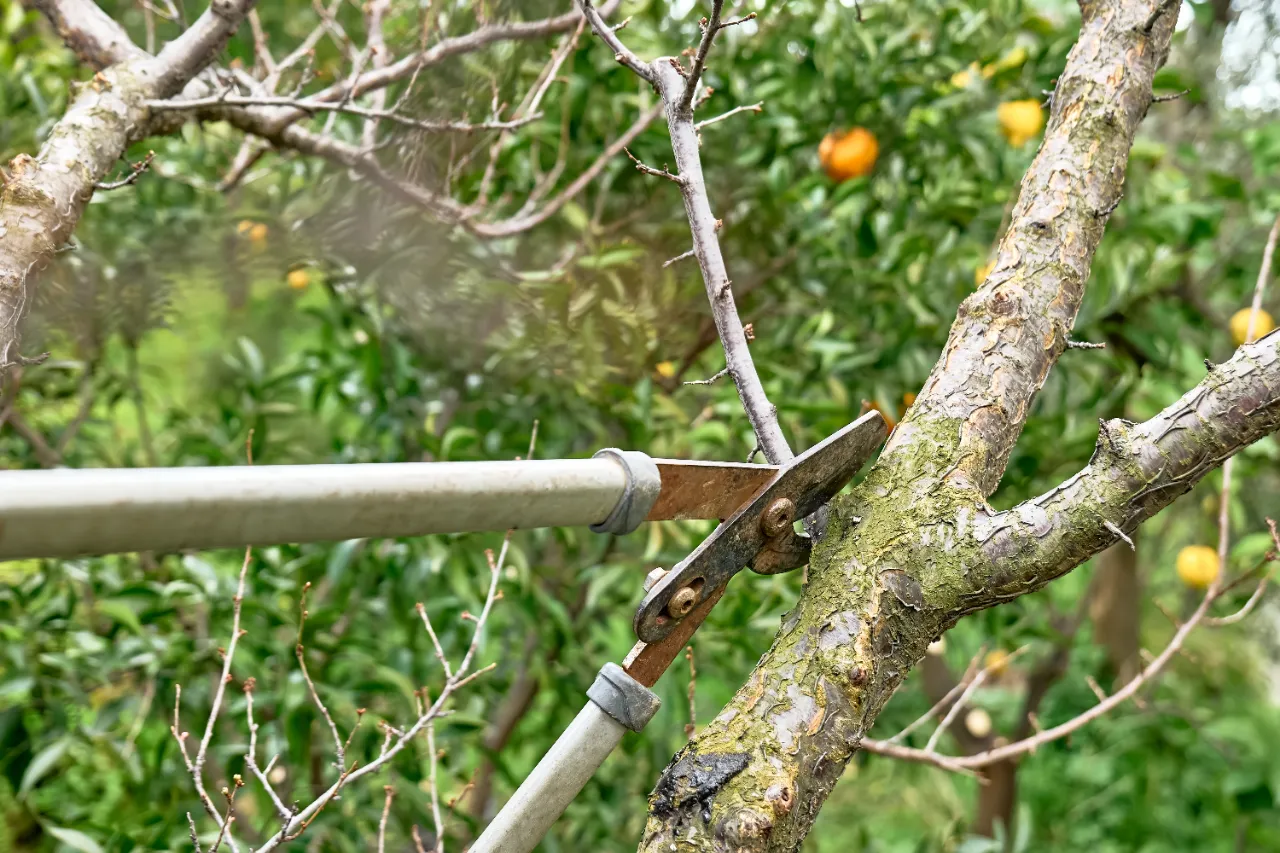
Types of Tree Pruning We Handle in Massachusetts
Four pruning types from the same crew. Each one starts with branch structure and ends with every cutting hauled off the property.
General Tree Pruning in Massachusetts
Routine pruning that clears deadwood, crossing limbs, and weak attachments from residential trees. Cuts land at the branch collar so the wound closes over.
Structural Tree Pruning in Massachusetts
Young and developing trees get trained to one dominant leader with balanced branch spacing. Early corrections prevent the codominant stems that split apart later.
Fruit Tree Pruning in Massachusetts
Apple, pear, peach, and cherry trees pruned for light, airflow, and reachable fruit. Open center and central leader shapes both work depending on variety.
Ornamental Tree Pruning in Massachusetts
Dogwoods, magnolias, Japanese maples, and flowering specimens pruned to keep shape without losing bloom. Light hands and correct timing protect flower buds.
How a Pruning Visit Works in Massachusetts
Free On Site Assessment
A crew member reads branch structure, checks unions and deadwood, then prices the full pruning plan in writing.
Cuts at the Collar
Each cut lands outside the branch collar, with no flush cuts, stubs, or torn bark ever left behind.
Cleanup and Site Walkthrough
Cuttings leave with the truck, and the crew reviews each pruned tree with you before leaving the property.
Why Massachusetts Homeowners Call Us for Pruning
Seven Years Reading Trees
Seven years of pruning residential trees in Massachusetts, from newly planted whips to fully mature shade tree canopies.
No Topping, No Stubs
Topping and stub cuts create decay and weak regrowth, so neither one happens on any of our jobs.
Cuttings Hauled Every Visit
Branches, cuttings, and sawdust leave with the crew, and the lawn gets raked clean before departure.
Tree Pruning Work in Massachusetts
6 photosTree Pruning Service Areas in Massachusetts
AJA Landscaping Services prunes trees in Massachusetts, with regular pruning routes in these five towns and the surrounding neighborhoods and ZIP codes.
Other Services in Massachusetts
Mulching Services in Massachusetts
AJA Landscaping Services LLC installs mulch in garden beds, tree beds, and decorative borders in…
Learn MoreStorm Damage Tree Service in Massachusetts
AJA Landscaping Services LLC clears fallen trees, broken limbs, and storm debris from residential property…
Learn MoreStump Grinding and Removal in Massachusetts
AJA Landscaping Services LLC grinds stumps and surface roots on residential property in Massachusetts. Every…
Learn MoreTree Removal in Massachusetts
AJA Landscaping Services LLC removes dead, hazardous, and oversized trees from residential property in Massachusetts.…
Learn MoreTree Trimming in Massachusetts
AJA Landscaping Services LLC trims residential trees in Massachusetts with crown thinning, crown reduction, and…
Learn MoreYard Cleanup in Massachusetts
AJA Landscaping Services LLC handles seasonal yard cleanup in Massachusetts, from leaf removal to brush…
Learn MoreTree Pruning Questions in Massachusetts
What is the difference between pruning and trimming?
Pruning is selective and structural. We take specific branches for health or safety. Trimming is about clearance and shape, cutting back outer growth. Most jobs need a bit of both.
How much can you prune at once?
Less than people expect. General guidance keeps live canopy removal under about a quarter in one season. Mature trees want even less than that. Overdoing it stresses the tree.
When should fruit trees be pruned?
Late winter, before bud break. The tree is dormant, you can see the whole structure, and the cuts heal as growth starts. Summer pruning is only for small corrections.
Do you paint or seal the cuts?
No, and neither should anyone else. Wound paint traps moisture and slows the tree's own sealing process. A clean cut at the right spot closes over on its own.
Can pruning fix a tree that was topped?
Partly. Restoration pruning picks out the strongest new shoots and removes the rest, over several seasons. The tree never gets its original form back, but it gets safer.
How young should a tree be for structural pruning?
Start two or three years after planting, once the tree has settled in. Small cuts on a young tree prevent the double leaders and bad angles that cost real money later.
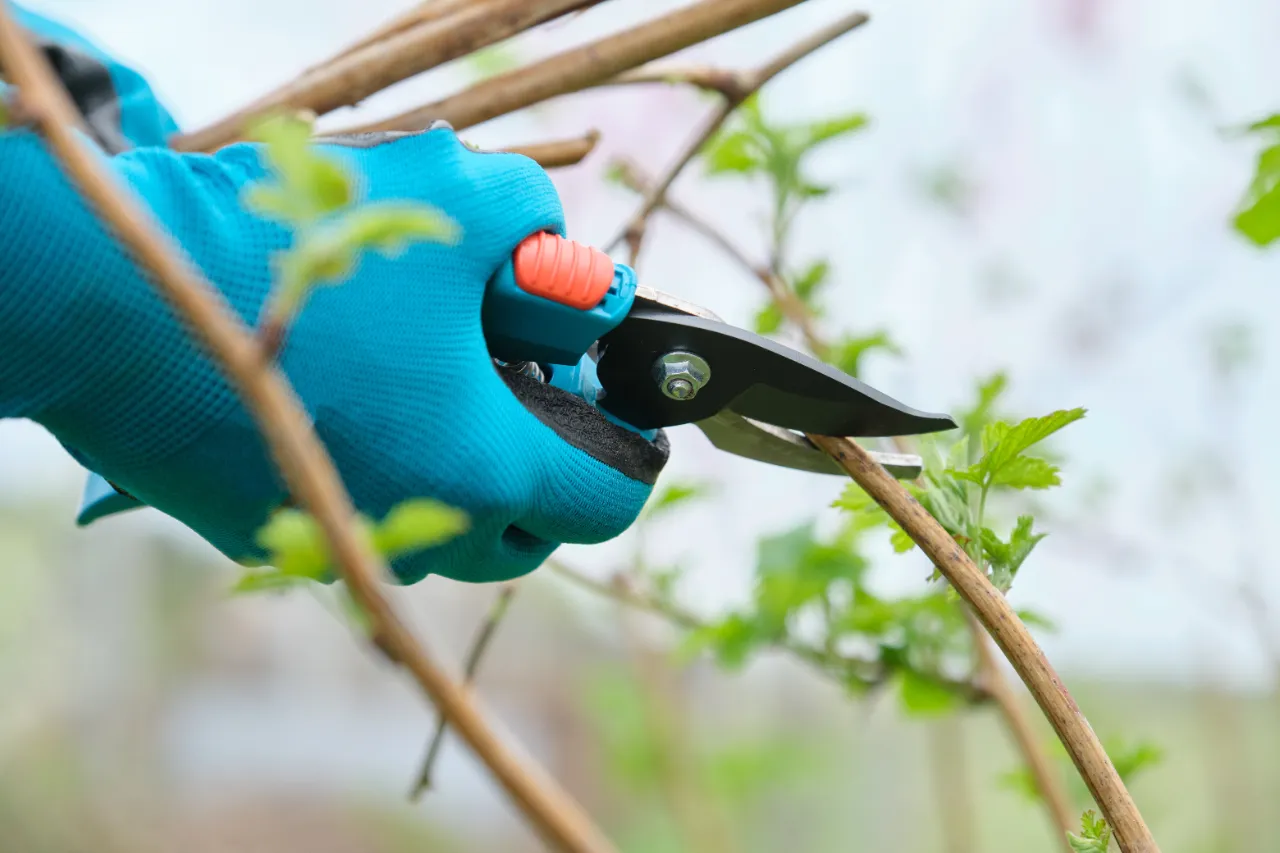
Ready to Prune Those Trees in Massachusetts?
Tell us which trees need attention and a crew member will visit, read the branch structure, and quote the full pruning plan in writing. Free, no obligation.
24/7 Emergency ResponseRequest Free Estimate